GORDON LIGHTFOOT | Politics
INVESTING IN THE FUTURE
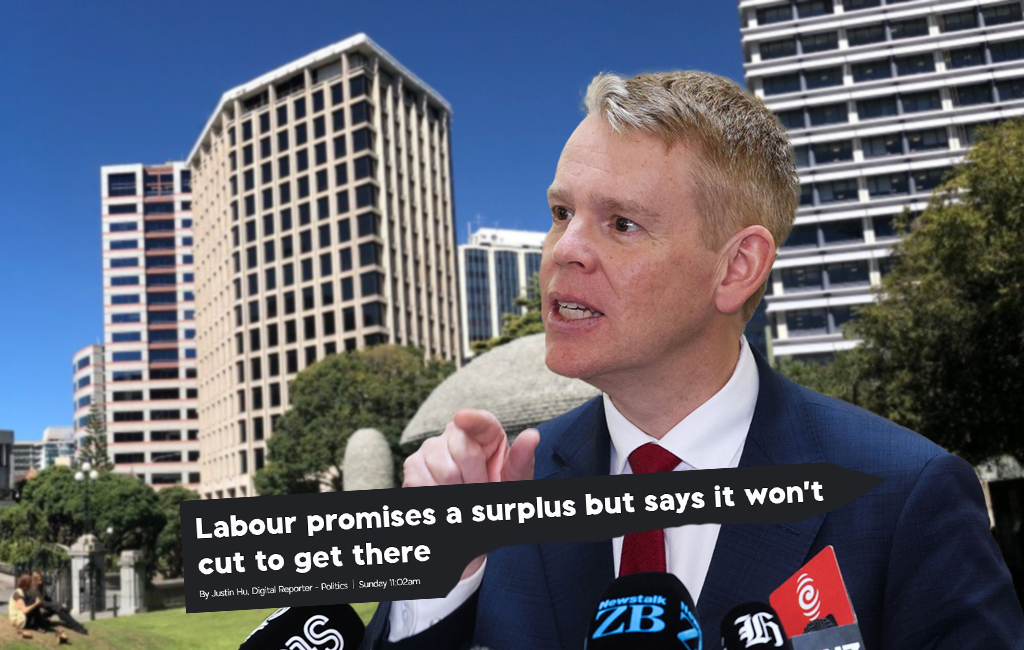
Labour leader Chris Hipkins dipped his toes into the world of economics this week, as he allegedly asked experts a question that had been on his mind for quite some time.
Hipkins had seeked the wise counsel of economists at Treasury today, where he asked “what exactly do we mean by ‘surplus’, and what will it cost us to buy one?”
The former prime minister also asked whether it was within the Treasury’s remit to borrow more money in order to achieve Labour’s goal of achieving a surplus.
“If there’s one thing we know, it’s that you have to spend money to make money. Investing in the future is vital to New Zealand’s future. Now I understand that a surplus is a good thing, but my question is, what does surplus actually do, and do we have enough money in the budget to buy one?” he asked the group of confused looking men.
Treasury economist John Jonnassen says he wanted to tell Hipkins that a surplus is when a government spends less money than it collects in one year, but was unable to get a word in.
“He kept talking about the idea of a surplus as if it was some kind of money-making mechanism, or a sovereign wealth fund. I just couldn’t get across to him that it actually means you spend less of people’s money,” said Jonnassen.
“Eventually I did manage to tell him the truth, but he didn’t want to hear it. He got out his wallet and started literally throwing money at me to try and get me to give him a different answer.”
Hipkins would not respond to claims that during election time, all you need to do is say things.
More to come.